100 Things Coming to Planet Zoo 2: Details You Might Have Missed!
With the release of Planet Zoo 2 just around the corner, I thought it would be fun to take a look at some of the things we know about the game so far.
From the big changes to the smaller details, Frontier have added to the game, here are 100 things we can expect in Planet Zoo 2!
100 Details Coming to Planet Zoo 2
1. Animals react to the weather. For example, when the temperature gets too hot, you might notice them panting or see their breath when it’s cold.
2. You’ll get to see your conservation efforts in action as you release animals into new wildlife reserves.
3. Vitality has replaced size in the animal genetics information panel, and every animal receives a genetic rating.
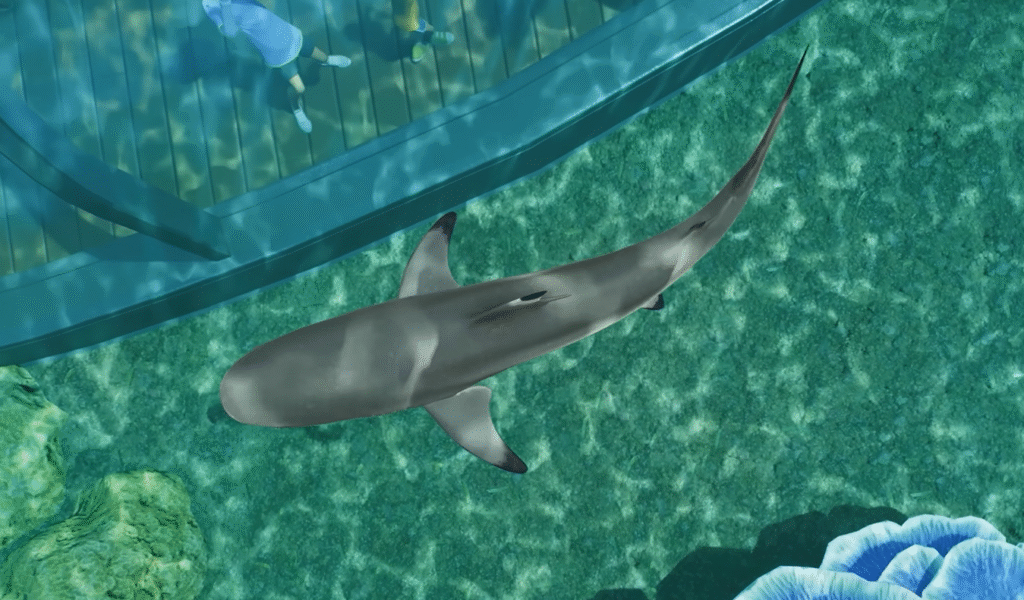
4. Planet Zoo 2 is getting aquatic animals, and you will be able to build complex aquariums with multiple levels or subterranean layouts.
5. Animals can react right away to changes in their habitat. For example, they might get upset if you take away a scratching post just as they want to use it.
6. Animals will make social calls, and others nearby will respond.
7. Animals will lay eggs.
8. In-game years will last longer than they did in Planet Zoo.
9. Animals will eat from plants found in their enclosures.
10. Butterflies are included in the base game, so you can create butterfly houses.
11. Animals can now trot, in addition to walking and running.
12. When a shoal comes across a predator, they will react by grouping together and swimming faster for a short time.
13. A new animal status will show your animal’s mood and whether they’re happy with their environment.
14. You can choose from different water presets, like swamp, tropical, or river.
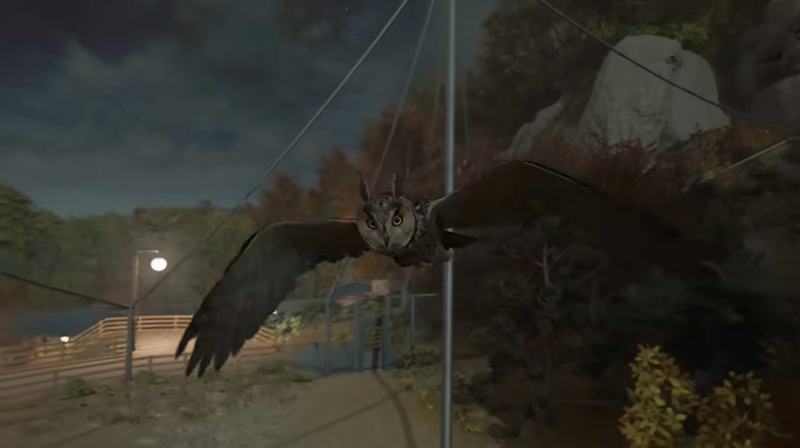
15. Animals will react to the night and day cycle, and so animals that are nocturnal will become more active at night.
16. There will be four brand-new themes in addition to returning Planet Zoo themes.
17. If animals are happy in wildlife reserves, they can have babies and populate the wild.
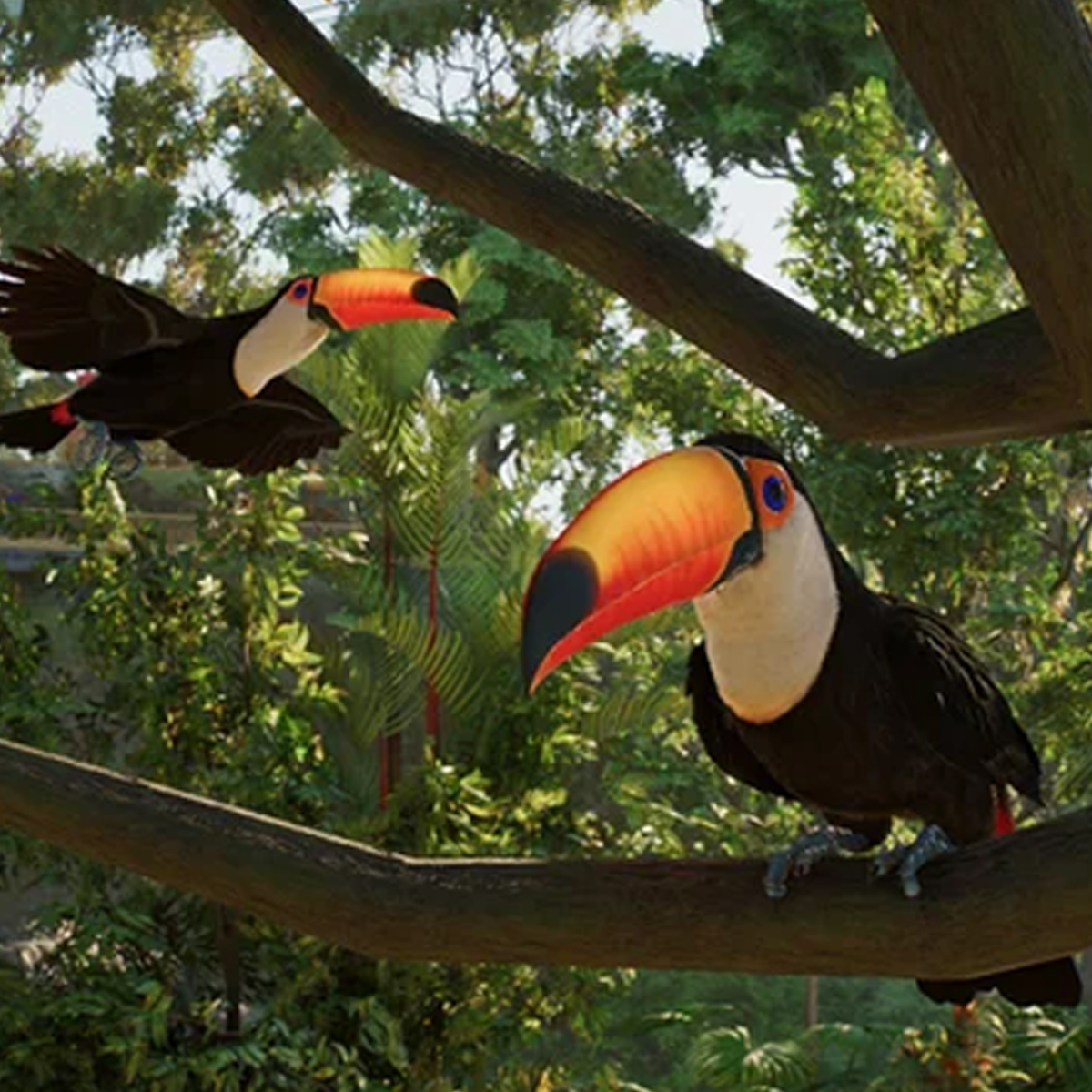
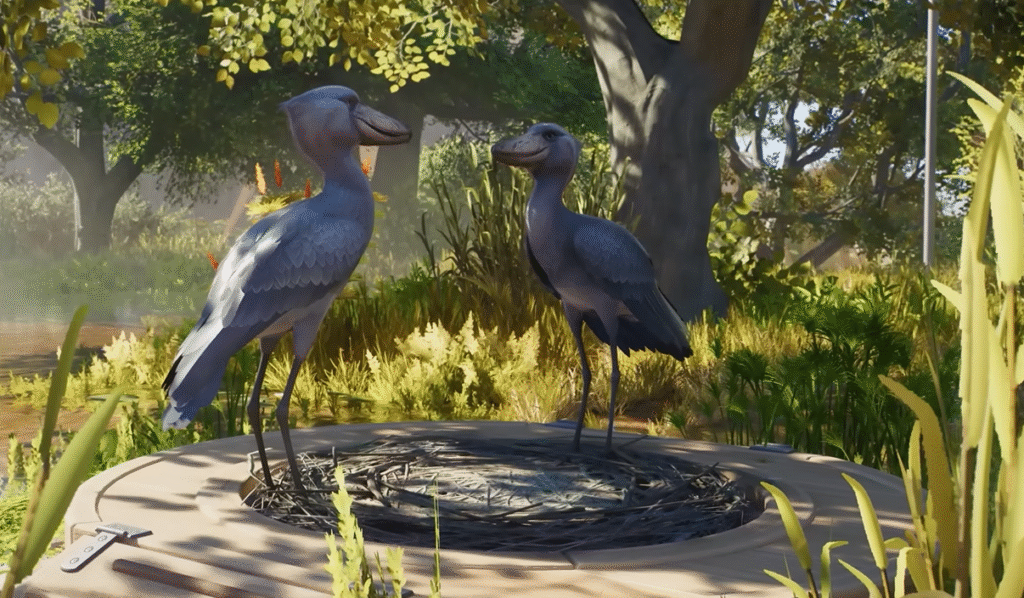
18. There will be both arboreal birds, which live in trees and like to perch, and terrestrial birds, which prefer walking on the ground or in shallow water.
19. Cohabitation is now more important in zoo management than it was in Planet Zoo.
20. You can build more detailed staff areas inside staff buildings, and there are items specifically labelled as facility decor, such as lamps and desks.
21. Animals can feel fear. A scared animal is less likely to interact with enrichment items and will actively avoid what scares them.
22. Birds will be able to perch on any of the trees and branches you add to their habitat.
23. You can build aquarium tunnels so guests can see the animals up close.
24. The seasons will change throughout the year and this includes changes to the foliage you add to your zoo.
25. In the animal market, we can view genetic information before adopting an animal, and each gene has its own identity. In Planet Zoo, only the fertility and immunity genes had visible genetic identities.
26. Animals can use climbing frames as places to rest and sleep.
27. You will be able to explore the wildlife reserves both on foot and by vehicle.
28. The audio library includes recordings of animals’ footsteps and movements from many different environments and terrains to make the game as realistic as possible.
29. Dirty aquariums not only increase the likelihood of your animals developing a disease, but they’ll also make them harder for your guests to see.
30. You will need to place nests in a bird’s habitat in order for them to lay eggs. Birds will not breed without them. Each breeding pair must also have its own nest, which they will claim as their own.
31. Research will be done in both wildlife reserves and zoos. Research from your zoo will help you care for your reserves, and research from your reserves will help you care for the zoo animals in your care.
32. Animals can respond to things around them even when they are asleep. For example, if an enrichment item bumps into a sleeping animal, it will wake up.
33. You can quickly hire different staff from a new tab at the bottom.
34. With the introduction of seasons comes seasonal breeding. Some animals breed only during certain times of the year, while others can breed year-round.
35. You will be able to unlock new educational opportunities for your zoo through research done in wildlife reserves.
36. Different bird species have their own unique ways of landing. Some prefer a long glide, while others land quickly and at a shorter distance.
37. Animals will interact more with their surroundings by scratching and rubbing on trees, plants, and rocks.
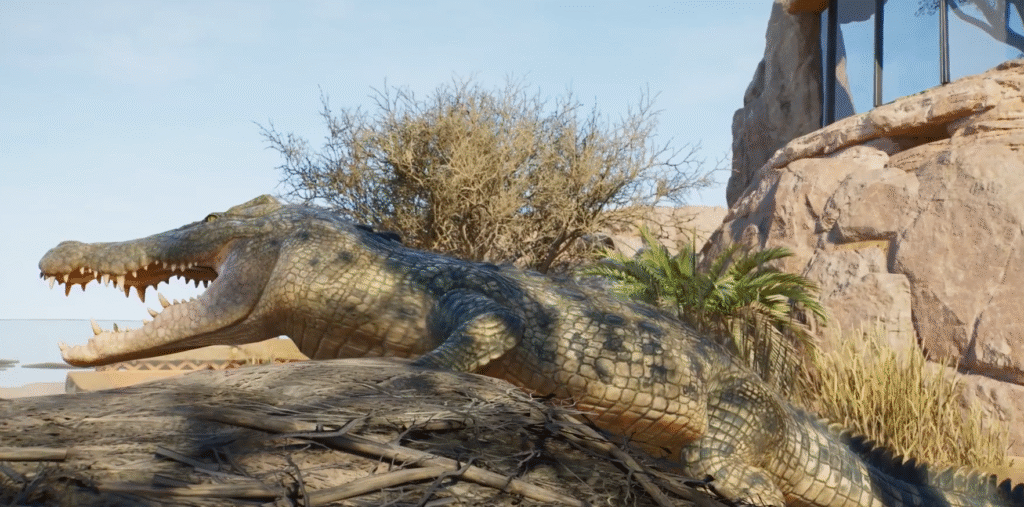
38. Some reptile mothers will guard their nests.
39. Shoals will react to the larger aquatic animals and staff divers by swimming out of their way.
40. Frontier has said that the management system won’t change drastically from Planet Zoo, but you can assign staff members to specific tasks.
41. When you visit wildlife reserves, animals will react to your presence.
42. Chimps will now swing from place to place using their arms.
43. When birds lay eggs, either the male, the female, or sometimes both will incubate them, depending on the species.
44. Animals will exhibit different herding behaviours. For example they can form defensive circles to protect themselves from predators.
45. You can use invisible barriers and scenery pieces to create aquariums.
46. Career, sandbox and franchise mode are all returning.
47. You’ll have to complete conservation projects and meet specific requirements before adding animals to your wildlife reserves.
48. Offspring dispersal is listed in the animal panel.
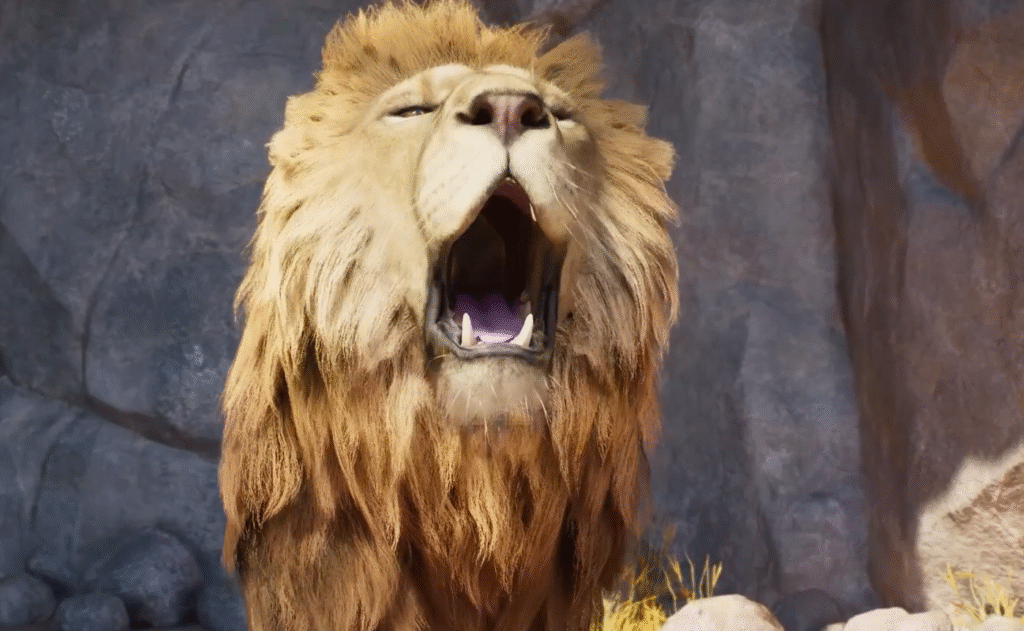
49. Just like in Planet Zoo, there will be colour morphs, and animals can exhibit rare genetic mutations like Pseudomelanism.
50. Animals will make a wider range of sounds, with different lengths and rhythms.
51. Fish will swim at the same depths they do in real life. For example, bottom dwellers will stay close to the aquarium floor.
52. You can design what Frontier has called immersive spaces that help visitors learn about and feel more connected to animals.
53. You can see for yourself when an animal is unhappy, as it will show it through its sounds, mood, and behaviour.
54. After hatching, flying birds remain in the nest until they grow and develop adult feathers. However, they will still be considered juveniles and only become adults once they reach sexual maturity.
55. Pregnancy will be visible, and pregnant animals will have noticeably larger bellies.
56. Each animal has a drinking water requirement, shown as a percentage.
57. You’ll have access to a larger selection of blueprints to help you build your zoo.
58. Larger aquatic animals are managed individually, while smaller fish are grouped into shoals.
59. You can fully customise the wildlife reserves.
60. Animals can now move sideways to get around objects in their habitat.
61. To build an aviary, you will need to place poles and the roof will appear automatically. You can use these roofs for any habitat, not just birds.
62. You’ll need to use water filters to control the salinity in your aquariums. This helps you create the right conditions for freshwater, saltwater, and brackish animals.
63. Flying birds will flap their wings with different strength depending on whether they are climbing quickly, rising gently, or just staying at the same height.
64. There will be different grass types and it will grow over time.
65. Wildlife reserves will become the main places for research, rather than your zoo.
66. Sharks will swim along the glass, like they tend to do in aquariums, following the edges of the tank.
67. The workshop will be built directly into the game, making blueprints easier to access.
68. Animals will have different formation types depending on whether they are migrating, defending, or fleeing.
69. You won’t be able to release every animal into wildlife reserves. Because reserves are inspired by real places, they only accept species that naturally live there.
70. A new nature brush will let you add plants and trees quickly and easily.
71. You can choose between different types of water surfaces, like flowing or calm, and you can also add elements such as mist or bubbles.
72. Zoo guests can now see what happens behind the scenes, such as zookeepers preparing food or a vet caring for an animal. This means we no longer need to keep staff areas hidden, and we can even build them without walls.
73. Aquatic animals will have feeders, but they can also find food by foraging from plants you place in their aquarium.
74. Each bird species has a preferred altitude where it likes to fly.
75. Players can specifically request habitat cleaning or feeding, whereas before you could only request a keeper.
76. You can change the water colour in your aquarium to fit your theme or build.
77. Tools will be simpler for everyone to use, but creative players will still have the freedom to design incredible habitats
78. You’ll find a variety of nests for different birds, like cavity and cup nests for tree-dwellers, and water platforms or mud nests for waders and ground-nesting birds.
79. Just like your habitat animals, fish will enter periods of rest and reduced activity.
80. You’ll be able to resize scenery, including trees, which gives you more flexibility when building habitats.
81. Animals will act differently in the wild compared to your zoo because of the different situations and surroundings.
82. As birds fly, their feathers will move with the air.
83. Another factor you’ll have to consider with aquariums is water temperature, since different animals have different requirements.
84. Animals can warn others in their herd if there is danger nearby.
85. Birds need enough space to fly, and you can check the Flyable Area for each aviary in the Info Panel.
86. Animal sounds and animations are automatically locked in sync, so sounds always match the animal’s mouth and chest movements.
87. You’ll be able to change the color of any decoration item.
88. When building aviaries and habitats, you can choose from several roof options.
89. Some animals and birds can share habitats.
90. Shoals won’t breed like other animals in Planet Zoo 2, but their population will still grow.
91. Along with new enrichment items, some familiar ones from Planet Zoo will make a comeback.
92. There’s a new waterlogged surface layer requirement.
93. A brand new global illumination system will make lighting and shadows look much more realistic.
94. You’ll be able to place barriers in water.
95. The workshop will include a Featured by Frontier section, highlighting some of their favourite designs each week.
96. Zebras will have different unique stripes
97. You can live-edit water, making these areas much easier to build.
98. You can place buildings anywhere, without needing to connect them to path edges. This makes it much easier to create shopping or dining plazas.
99. Nest cameras will let you watch over baby birds.
100. The new pathing system makes building paths and plazas much easier.
What are you looking forward to most?